
tablecloth length guide
Tablecloth Length Guide: A Comprehensive Overview (Updated 04/22/2026)
Navigating tablecloth sizing can be surprisingly complex, despite seeming straightforward initially. Measuring and comparing options online often leads to confusion; selecting the perfect fit requires careful consideration.
Understanding Tablecloth Overhang
Tablecloth overhang, often referred to as the ‘drop’, is the amount of fabric that extends beyond the edge of your table. It’s a crucial element in achieving the desired aesthetic and functionality. A proper overhang isn’t merely about looks; it impacts comfort and the overall dining experience.
The standard overhang varies depending on formality and personal preference. Generally, it ranges from a few inches for a casual look to a more substantial drop for formal settings. This extra fabric protects the table, softens the appearance of legs, and prevents items from being easily knocked off the edge.
Consider the table’s purpose when determining the overhang. Everyday use might call for a practical drop, while special occasions often benefit from a more dramatic and elegant presentation. Understanding these nuances is key to selecting the ideal tablecloth length.
Standard Tablecloth Overhangs Explained
Generally, a 6-inch to 10-inch overhang is considered standard for most tables, providing a balanced look suitable for everyday dining. This moderate drop offers sufficient coverage without overwhelming the space or posing a tripping hazard.
For a more formal setting, a 12-inch to 15-inch overhang is often preferred. This creates a luxurious and elegant appearance, concealing more of the table legs and offering a sophisticated drape. Longer drops are particularly effective with heavier fabrics like damask or linen.
Casual settings often utilize a shorter overhang, around 4-6 inches, for a relaxed and approachable vibe. Bistro tables or smaller kitchen tables may benefit from even less overhang to maintain functionality. Ultimately, the ‘standard’ is flexible and should align with your desired style and the table’s intended use.
Casual vs. Formal Tablecloth Drops
The distinction between casual and formal tablecloth drops significantly impacts the overall aesthetic. Casual settings prioritize practicality and comfort, typically employing drops between 4 and 8 inches. This shorter length maintains a relaxed atmosphere, ideal for everyday meals and informal gatherings.

Conversely, formal occasions demand a more refined presentation. Tablecloth drops of 12 to 18 inches, or even longer, are common, creating a dramatic and elegant effect. These longer lengths conceal more of the table base, emphasizing the fabric’s quality and drape.
Fabric choice also plays a role. Lighter fabrics like cotton or linen suit casual drops, while heavier materials like damask or silk complement formal settings. Consider the height of chairs; a longer drop shouldn’t interfere with comfortable seating. Ultimately, the drop length should harmonize with the event’s formality and the desired ambiance.
Measuring Your Table: Length and Width
Accurate measurements are paramount when selecting a tablecloth. Begin by measuring the length of your table – the distance from one end to the other. Then, measure the width, ensuring you account for any extensions or leaves. Don’t simply estimate; use a flexible measuring tape for precision.
If your table isn’t perfectly rectangular, measure the longest and widest points. For round or oval tables, measure across the diameter at the widest point. Record these measurements carefully, as they form the foundation for determining the appropriate tablecloth size.
Consider the desired overhang (drop) before finalizing your measurements. Add the desired drop length to both the length and width measurements. This will give you the minimum tablecloth dimensions needed for a proper fit. Double-check your calculations to avoid ordering a tablecloth that’s too small or excessively large.
Round Tablecloth Sizing
Sizing a round tablecloth differs from rectangular ones, focusing on diameter rather than length and width. To determine the correct diameter, measure across the center of your round table, ensuring you capture the widest point. This measurement represents the table’s diameter.
Next, decide on your desired overhang or drop length. A standard drop is typically between 8-12 inches, but can vary based on formality and preference. Add this drop length to the table’s diameter. The result is the minimum diameter your tablecloth should be.
For example, a 48-inch diameter table with a 10-inch drop requires a tablecloth with a 58-inch diameter. Round tablecloths are often available in standard sizes, so choose the next largest size if your calculation falls between two options. A generous drape enhances the overall aesthetic.
Determining Diameter for Round Tables
Accurately measuring the diameter is the crucial first step in selecting a round tablecloth. Unlike rectangular tables, round tables require a single measurement – the distance across the circle through its center. Use a flexible measuring tape for the most accurate result, ensuring it’s taut and straight.
Begin by placing one end of the tape at one edge of the table and extending it to the opposite edge, passing directly over the table’s center point. Avoid measuring the circumference, as this will yield an incorrect value. Double-check your measurement to confirm accuracy.
If your table isn’t perfectly round, measure at several points and use the largest diameter obtained. This ensures the tablecloth will fully cover the table, even at its widest points. Record this diameter; it’s the foundation for calculating the appropriate tablecloth size, factoring in your desired overhang.
Square Tablecloth Sizing
Sizing a square tablecloth is relatively straightforward, requiring measurement of the table’s sides. Begin by measuring the length of one side of your square table, ensuring the measuring tape is taut and level. Since all sides of a square are equal, measuring just one provides the necessary dimension.
Record this measurement carefully, as it will form the basis for determining the appropriate tablecloth size. Remember to consider your desired overhang – the amount of fabric you want to drape down the sides. A standard overhang typically ranges from 8 to 12 inches, but can be adjusted based on formality and preference.
To calculate the ideal tablecloth size, add twice the desired overhang to the table’s side length. For example, a 60-inch square table with a 10-inch overhang requires a 80-inch square tablecloth. This ensures adequate coverage and a visually appealing drape.
Calculating Square Tablecloth Dimensions
Precisely determining square tablecloth dimensions involves a simple formula: Table Side Length + (2 x Desired Overhang). First, accurately measure each side of your square table in inches. Consistency is key for a proper fit. Next, decide on your preferred overhang – the amount of fabric extending beyond the table’s edge.
Common overhangs range from 8 inches for a more fitted look to 12 inches or more for a dramatic, flowing drape. Multiply your chosen overhang by two, as you need to add it to both sides of the table. Then, add this result to your table’s side length.
For instance, a 54-inch square table with a desired 9-inch overhang would require a tablecloth measuring 54 + (2 x 9) = 72 inches. Round up to the nearest standard size if necessary. This calculation guarantees a well-proportioned and aesthetically pleasing tablecloth.
Rectangular Tablecloth Sizing
Sizing a rectangular tablecloth requires measuring both the length and width of your table. Accurate measurements are crucial for achieving the desired drape and aesthetic. Begin by measuring the table’s length – the longer side – and then its width, the shorter side. Record these dimensions in inches for precise calculations.
Next, determine your preferred overhang. A standard overhang is typically between 8 and 12 inches, influencing the overall look. For a more casual setting, an 8-inch drop works well, while a formal occasion benefits from a 12-inch or greater drop. Add the desired overhang to both the length and width measurements.
The resulting numbers represent the minimum tablecloth dimensions needed. For example, a 60×30 inch table with a 10-inch overhang requires a 80×50 inch tablecloth. Always double-check your calculations to avoid ordering an ill-fitting cloth.
Standard Rectangular Table Sizes & Cloth Lengths
Common rectangular table sizes dictate typical tablecloth length requirements. A frequently encountered size is 60×30 inches, often suited for smaller dining areas or kitchen tables. For this size, a tablecloth ranging from 72×42 inches (9-inch drop) to 84×54 inches (12-inch drop) is generally recommended.
Larger tables, such as those measuring 72×36 inches, pair well with tablecloths in the 84×54 inch to 96×66 inch range, depending on the desired formality. A 78×40 inch table often utilizes an 90×50 inch cloth for a balanced appearance. For substantial dining tables at 84×42 inches, consider tablecloths between 108×66 and 120×78 inches.
Remember these are guidelines; personal preference plays a key role. Always prioritize a drop that complements your table’s height and the overall aesthetic of your dining space. Consider the number of chairs around the table when selecting the appropriate length.
Oval Tablecloth Sizing
Sizing an oval tablecloth presents unique challenges due to the table’s curved shape. Unlike rectangular or square tables, a simple length and width measurement isn’t sufficient. You’ll need to measure the longest and widest points of your oval table to determine the appropriate cloth size.
Generally, adding 6-12 inches to both the length and width measurements provides a suitable overhang. However, consider the table’s purpose and desired aesthetic. For casual settings, a 6-inch drop is often sufficient, while formal occasions benefit from a more substantial 12-inch drop.
A common oval table size is 60×40 inches; a tablecloth around 72×52 inches would work well. Larger ovals, like 72×48 inches, may require a cloth closer to 84×60 inches. Always err on the side of a slightly larger tablecloth, as excess fabric can be easily tucked or draped.
Specific Considerations for Oval Tables
Beyond basic length and width, oval tables demand attention to drape and fullness. The curves necessitate a tablecloth with enough fabric to flow gracefully, avoiding a stretched or awkward appearance. Consider the table’s legs – do you want them fully concealed, partially covered, or exposed?
For tables with ornate legs, a longer drop length is preferable to showcase the table’s design while still providing adequate coverage. If the oval table has rounded ends, ensure the tablecloth’s corners aren’t sharply defined, opting for a softer, rounded drape.
Vinyl tablecloths, being less pliable than linen or cotton, may require a slightly larger size to achieve a similar draped effect. When choosing a patterned tablecloth, carefully consider pattern placement to ensure a visually appealing arrangement on the oval surface. Prioritize fullness for an elegant look.
Drop Length and Seating Capacity
The relationship between tablecloth drop length and seating capacity is crucial for both aesthetics and functionality. A longer drop – typically 10-15 inches – creates a more formal and luxurious look, offering ample fabric to conceal table legs and provide comfortable seating. However, excessive length can become cumbersome for diners.
For tables accommodating many guests, a generous drop ensures sufficient space for place settings and centerpiece arrangements without feeling cramped. Conversely, a shorter drop (6-8 inches) is suitable for casual dining or smaller tables, offering a cleaner, more streamlined appearance.
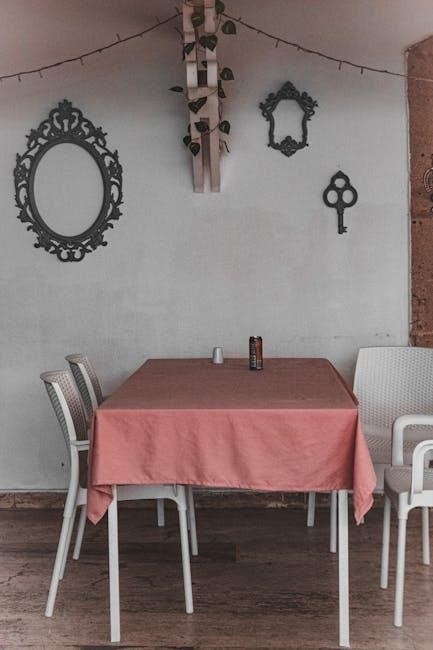
Consider the chair size; larger chairs require a slightly longer drop to prevent the tablecloth from being pulled up when guests sit. Ultimately, balancing visual appeal with practical comfort is key when determining the ideal drop length based on your seating needs.
Tablecloth Length for Different Table Heights
Standard table heights significantly influence the appropriate tablecloth length. A typical dining table stands around 29-30 inches tall, requiring a tablecloth with a 6-12 inch drop for a comfortable and visually pleasing effect. For counter-height tables (36 inches), a longer drop – 12-18 inches – is necessary to achieve a similar aesthetic.
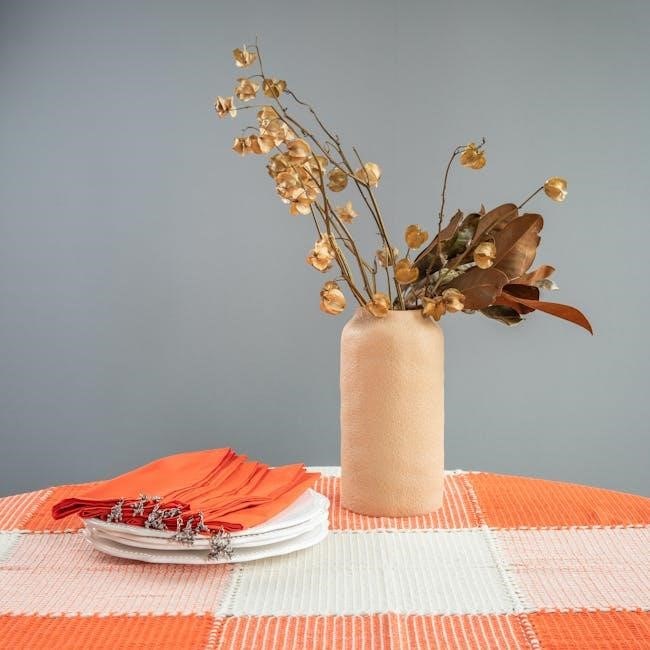
Bar-height tables, reaching approximately 42 inches, demand even more substantial drops, often 18-24 inches or more, to prevent the tablecloth from appearing disproportionately short. Consider the desired formality; a more dramatic drop enhances elegance, while a shorter drop suits casual settings.
Always measure your table’s height accurately before purchasing a tablecloth. A well-proportioned drop ensures the cloth drapes beautifully and provides adequate coverage without pooling excessively on the floor, maintaining both style and safety.
Tablecloth Length for Everyday Use
For daily dining, practicality and ease of use are paramount when selecting a tablecloth length. A drop of 8-10 inches generally provides sufficient coverage without being overly cumbersome. This length allows for comfortable seating and prevents excessive fabric from interfering with legs or chairs.
Shorter drops are ideal for busy households with children, minimizing tripping hazards and simplifying cleanup. Consider a tablecloth that reaches just past the table’s edge, offering protection without a formal appearance. Washable materials, like cotton or linen blends, are highly recommended for everyday use, facilitating frequent laundering.
Prioritize durability and stain resistance. A slightly shorter length also makes setting the table quicker and easier, streamlining daily mealtime routines. Functionality should be the primary focus for everyday tablecloth choices.
Tablecloth Length for Special Occasions
When hosting formal dinners or celebratory events, a more generous tablecloth drop elevates the aesthetic and creates a luxurious ambiance. A 12-18 inch overhang is considered standard for special occasions, lending a sophisticated and polished look to your dining space.
Longer drops allow for elegant draping, concealing table legs and creating a visually appealing flow. Fine linens, such as damask or silk, are often preferred for these occasions, enhancing the overall formality. Consider the chair styles; ample fabric ensures comfortable seating without bunching or restriction.
For truly grand events, a floor-length tablecloth can be stunning, though it requires careful consideration of floor surfaces and potential tripping hazards. Prioritize creating a memorable and visually impressive tablescape with a thoughtfully chosen length and material.
Tablecloth Length and Table Shape Correlation
The shape of your table significantly impacts the ideal tablecloth length. Rectangular and oval tables benefit from longer drops to accentuate their lines, while round and square tables require calculations based on diameter or side length.
For rectangular tables, ensure equal overhang on all sides for a balanced appearance. Oval tables demand a slightly more generous length to accommodate their curves, preventing a tight or awkward fit. Round tables necessitate determining the diameter and adding the desired drop length – typically 12-18 inches – to calculate the required cloth size.
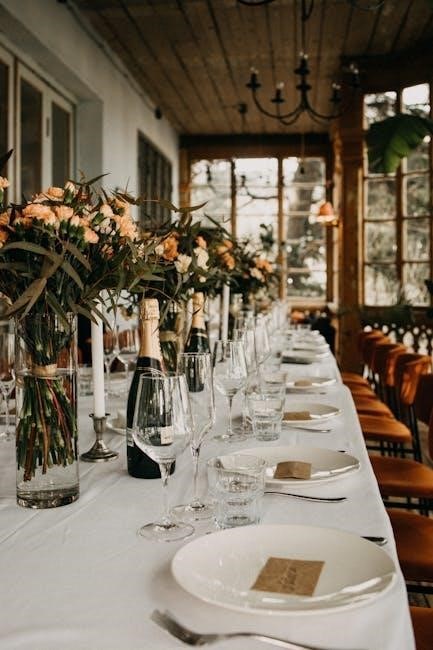
Square tables follow a similar principle to round tables, using side length instead of diameter. Understanding these correlations ensures a harmonious blend of table and tablecloth, enhancing the overall aesthetic of your dining setting.

Linens vs. Vinyl Tablecloth Length Considerations
The material of your tablecloth – linen or vinyl – influences how length impacts its drape and overall look. Linens, known for their natural flow and elegant drape, often benefit from a slightly longer drop to showcase this quality. A generous overhang accentuates the fabric’s luxurious feel and creates a more formal ambiance.
Vinyl tablecloths, being less prone to wrinkling and possessing a more structured form, can work well with standard drop lengths. Excessive length in vinyl might appear bulky or less refined. Consider the desired aesthetic; a tighter fit can be perfectly acceptable for casual vinyl coverings.
Ultimately, linen’s inherent softness calls for a more flowing presentation, while vinyl’s practicality allows for a more streamlined approach to length selection.
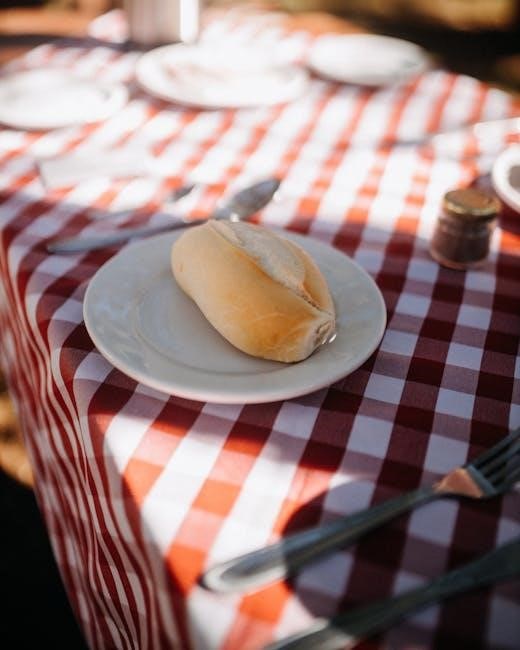
Custom Tablecloth Lengths: When to Order
Ordering a custom tablecloth is ideal when standard sizes consistently fall short of your needs. This is particularly true for tables with unusual shapes – think kidney or boat-shaped – or those with leaves that dramatically alter dimensions. If you find yourself frequently adjusting or compromising with off-the-shelf options, custom is the way to go.
Tables with intricate details or unique pedestals also benefit from tailored cloths. A custom fit ensures the tablecloth complements, rather than obscures, these features. Furthermore, if you desire a specific drop length not commonly available, or require a precise match to existing linens, custom ordering provides the solution.
Don’t hesitate to explore custom options for a truly polished and personalized table setting. It’s an investment in both aesthetics and convenience.
Dealing with Tables with Leaves
Tables featuring leaves present a unique challenge when selecting a tablecloth. The key is to measure the table at its largest possible extension – with all leaves inserted. This ensures the cloth will always provide adequate coverage, even during gatherings requiring maximum seating.
However, a tablecloth sized for the fully extended table will have significant excess fabric when leaves are removed, potentially creating an undesirable, overly-draped look. Consider the aesthetic impact of this excess.
Adjustable tablecloths, or having multiple cloths on hand (one for each configuration), are excellent solutions. Alternatively, a longer drop length can accommodate both sizes, though it may require some careful tucking or pleating when leaves are absent. Prioritize functionality and visual appeal when making your decision.
Adjustable Tablecloths for Leaf Tables
Specifically designed adjustable tablecloths offer a brilliant solution for tables with leaves, eliminating the compromise between a perfect fit and excessive draping. These innovative cloths typically feature elasticized edges or clever fastening systems, allowing them to conform to varying table lengths.
Look for options with a substantial range of adjustability to accommodate the full spectrum of your table’s configurations. Some models utilize drawstring closures or Velcro adjustments, providing a secure and customized fit.
While potentially a higher initial investment, adjustable tablecloths save money and storage space in the long run by negating the need for multiple cloths. They also offer convenience and a consistently polished look, regardless of how many leaves are in place. Consider them a worthwhile investment for frequently used leaf tables.
Tablecloth Length and Chair Placement
Careful consideration of chair placement is crucial when determining the ideal tablecloth length. The goal is to ensure chairs can be pulled out comfortably without snagging or distorting the tablecloth’s drape. A standard drop – the distance the cloth extends beyond the table edge – should account for chair legs and movement.
Generally, allow for at least 10-12 inches of drop to accommodate typical chair sizes and allow for easy chair movement. For chairs with arms, a slightly longer drop may be necessary to prevent interference. Visualize guests seated and reaching for items on the table to assess potential issues.
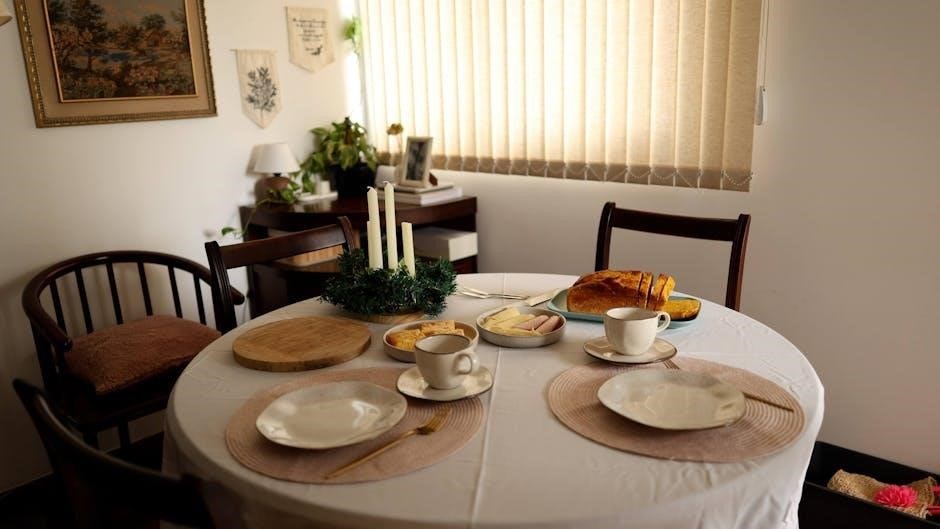
If chairs have casters, a longer drop is advisable to prevent the tablecloth from being caught in the wheels. Prioritizing comfort and functionality alongside aesthetics will result in a more enjoyable dining experience for your guests.

Avoiding Common Tablecloth Sizing Mistakes
One frequent error is measuring only the tabletop, neglecting the leaf extensions. Always measure with leaves fully extended if your table is adjustable. Another common mistake involves confusing table area with the required tablecloth drop; focus on length and width, then add desired overhang.
Ignoring table shape is also problematic. A round tablecloth on a square table will look awkward, and vice versa. Ensure the cloth’s shape complements the table’s form. Many people underestimate the impact of a too-short tablecloth, resulting in a visually incomplete look.
Conversely, an excessively long tablecloth can create tripping hazards and appear sloppy. Double-check measurements before purchasing, and when in doubt, err on the side of slightly longer – it’s easier to adjust a longer cloth than to remedy one that’s too short!
Where to Buy Tablecloths: Online vs. In-Store
Purchasing tablecloths offers two primary avenues: online retailers and brick-and-mortar stores. Online shopping provides a vast selection, competitive pricing, and the convenience of home delivery. However, you can’t physically assess the fabric’s texture or drape before buying.
In-store shopping allows tactile evaluation of materials, immediate gratification, and often, expert assistance from sales associates. You can visualize how the tablecloth will look with your table setting. However, in-store selections are typically more limited than online options.
Consider specialty linen stores for high-quality fabrics and custom sizing. Department stores offer a mid-range selection, while discount retailers provide budget-friendly choices. Always check return policies, especially when buying online, to ensure satisfaction with color, size, and material.
Understanding Tablecloth Material and Drape
The material of your tablecloth significantly impacts its drape and overall aesthetic. Linen offers a luxurious, natural drape and becomes softer with each wash, but wrinkles easily. Cotton is a versatile, affordable option with a more casual drape, suitable for everyday use.
Polyester is durable, wrinkle-resistant, and budget-friendly, but lacks the elegance of natural fibers. Silk provides a stunning, sophisticated drape, ideal for formal occasions, but requires delicate care. Vinyl is waterproof and easy to clean, perfect for outdoor or messy situations, though it doesn’t drape as elegantly.
Drape refers to how the fabric falls and hangs. A good drape creates a flowing, elegant look, while a poor drape can appear stiff or awkward. Consider the material’s weight and weave when choosing a tablecloth, as these factors influence the drape and how it complements your table setting.
Tablecloth Length and Aesthetic Appeal
Tablecloth length dramatically influences the overall aesthetic of your dining space. A longer drop creates a more formal and elegant ambiance, often preferred for special occasions and sophisticated dinner parties. It evokes a sense of luxury and refinement, drawing the eye downwards.
Conversely, a shorter drop offers a more casual and relaxed vibe, perfect for everyday use and informal gatherings. It presents a clean, modern look, emphasizing the table’s shape and features. The chosen length should harmonize with the room’s décor and the occasion’s formality.
Consider the visual weight of the tablecloth. A substantial drop can balance a smaller table, while a minimal drop suits a larger, statement piece. Ultimately, the ideal length enhances the table setting and contributes to the desired atmosphere, creating a visually pleasing and inviting space.
Resources for Tablecloth Size Calculators
Fortunately, numerous online resources simplify the often-challenging task of determining the correct tablecloth size. Several websites offer dedicated tablecloth size calculators, requiring only your table’s dimensions – length, width, and shape – as input.
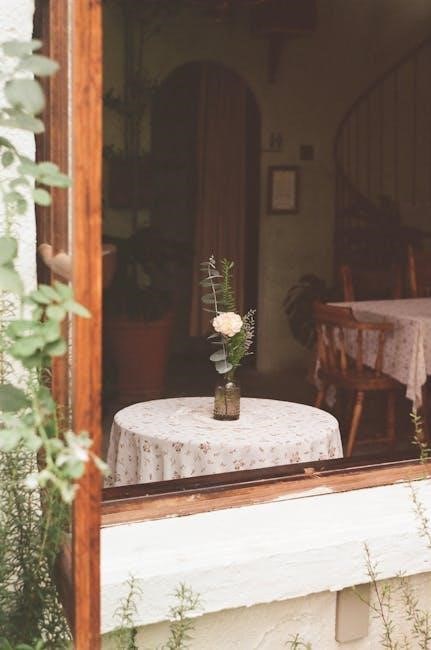
These calculators instantly provide recommended overhang lengths for both casual and formal settings, eliminating guesswork. Popular options include those found on linen retailers’ websites, such as LinenTablecloth.com and TableLinens.com, offering tailored suggestions based on their product ranges.
Beyond retailer-specific tools, general home décor and measurement websites also host useful calculators. Utilizing these resources ensures a precise fit, saving you the hassle of returns and guaranteeing a beautifully draped tablecloth. Remember to double-check measurements and consider your desired aesthetic before finalizing your purchase.
Leave a Reply
You must be logged in to post a comment.