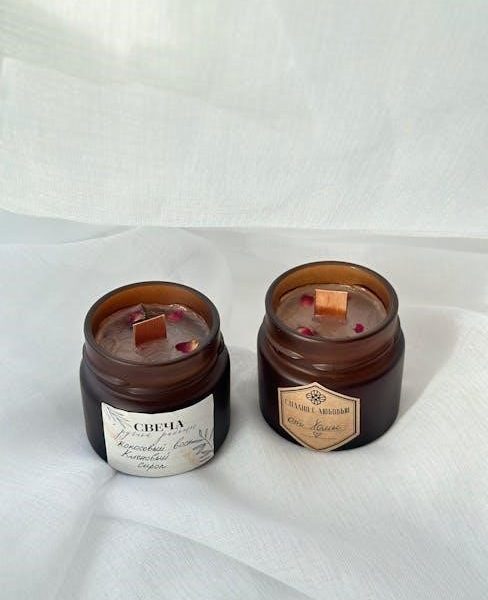
lone star candle wick guide
Lone Star Candle Wick Guide: An In-Depth Overview (03/06/2026 08:23:17)
Lone Star wicks require meticulous testing, observing melt pools after 2 and 4 hours, and complete burns․ Wick series numbers simply indicate relative wick size, guiding selection․
Lone Star Candle Wicks have become a favored choice among candle makers, renowned for their consistent performance and broad compatibility with various wax types and fragrance loads․ These wicks aren’t simply a component; they are a crucial element dictating the entire candle experience – from the initial burn to the final melt pool․ Understanding their nuances is paramount for crafting high-quality candles․
The key to success with Lone Star wicks lies in recognizing that each series is designed to address specific candle characteristics․ The series number itself isn’t a definitive size, but rather a relative indicator․ A higher number signifies a larger wick, capable of supporting a wider melt pool․ However, relying solely on the number is insufficient․ Thorough testing, as detailed later, is absolutely essential․
Proper wick selection directly impacts burn quality, scent throw, and overall candle safety․ Choosing the wrong wick can lead to issues like sooting, mushrooming, or an incomplete melt pool, diminishing the candle’s appeal and potentially creating a fire hazard․ Therefore, a dedicated approach to understanding and testing Lone Star wicks is a worthwhile investment for any candle enthusiast or professional․
Understanding Wick Series Numbers
Lone Star wick series numbers are a fundamental aspect of selection, yet often misunderstood․ These numbers – like 2448, 2618, or 3018 – don’t represent a precise measurement, but rather a relative scale indicating the wick’s size and potential burn radius․ A higher number generally signifies a larger wick, designed for wider diameter vessels and/or wax types requiring more fuel․
However, it’s crucial to avoid treating these numbers as absolute rules․ The series number is merely a starting point, a guide to narrow down your options․ Factors like wax density, fragrance oil load, and vessel shape significantly influence wick performance․ A 2618 wick in soy wax might behave differently than the same wick in a paraffin blend․
Think of the series number as a family lineage – each series shares characteristics, but individual wicks within that series will still require testing․ Don’t assume a larger number automatically equates to a better burn․ Careful observation during burn tests is paramount to determine the optimal wick for your specific candle formulation and vessel․

Lone Star Wick Types: A Comprehensive List
Lone Star Candle Supply offers a diverse range of wick types, each engineered for specific wax and fragrance combinations․ Key series include the popular 2448 wick, known for its consistent burn in soy wax, and the 2618 wick, a versatile option suitable for paraffin and blends․ The 3018 wick provides a larger flame, ideal for wider vessels and heavier fragrance loads․
For natural waxes, the CD series (like CD14 and CD18) are frequently recommended, offering a clean burn and reduced mushrooming․ The ECO series presents eco-friendly options, utilizing natural fibers․ Additionally, Lone Star provides specialized wicks like the HTP series, designed for high-fragrance oil percentages, and the Zinc Core wicks, offering rigidity and stability․
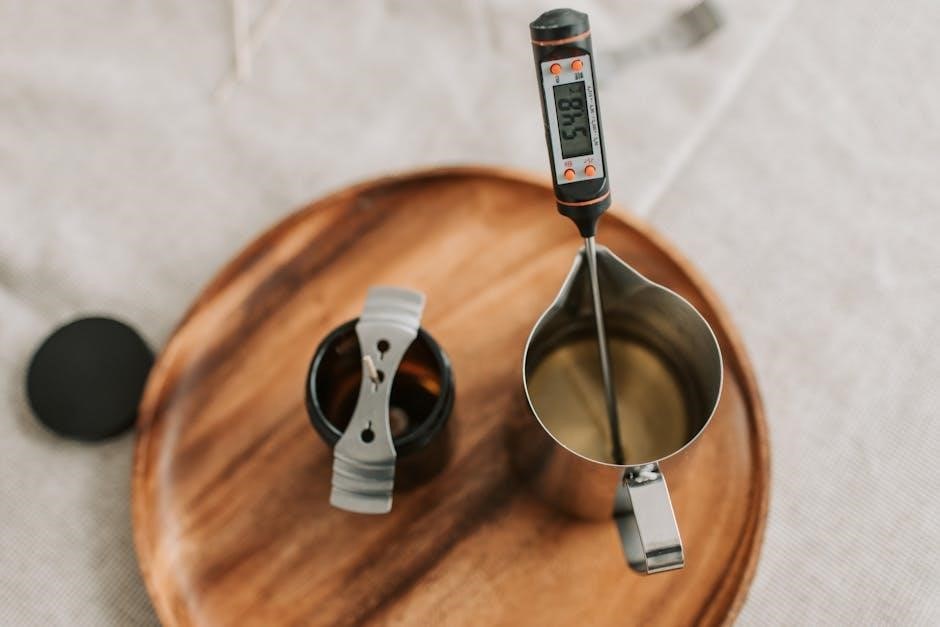
Choosing the right wick isn’t simply about the series number; it’s about understanding the wick’s construction and how it interacts with your specific formulation․ Experimentation is key to unlocking optimal performance and achieving a clean, consistent burn․
Wick Sizing Basics: Vessel Diameter Considerations
Vessel diameter is the primary factor in initial wick selection․ Lone Star wicks are categorized by the vessel size they’re designed to support․ Generally, smaller diameter vessels (under 2 inches) require smaller wick numbers, such as a CD8 or 10, while larger vessels (3-4 inches) necessitate larger wicks like a 2448 or 2618․

However, this is a starting point․ A 2-inch vessel doesn’t automatically equate to a specific wick; wax type and fragrance load significantly influence the final choice․ Wider vessels demand wicks capable of creating a full melt pool across the entire surface, preventing tunneling․ Conversely, overly large wicks in narrow vessels can lead to excessive heat, sooting, and mushrooming․
Always consult Lone Star’s wick guide for recommended starting points based on vessel diameter, but remember that testing is crucial to fine-tune the wick size for your specific candle formulation․ Don’t rely solely on diameter; consider the overall candle system․
Wax Type and Wick Selection
Wax type dramatically impacts wick performance․ Softer waxes, like soy, generally require larger wicks compared to harder waxes like paraffin or beeswax, due to their lower melt point and slower burn rate․ Soy wax, notorious for potential “hang-ups,” often benefits from a slightly larger wick to ensure a complete melt pool․
Lone Star wicks offer series specifically designed for different wax types․ For instance, the CD series is popular for soy wax, while the H series often performs well with paraffin blends․ However, even within a wax type, variations exist․ Additives, melting points, and oil content all play a role․
When switching wax types, always re-evaluate your wick selection․ A wick that performs perfectly in paraffin might be inadequate or excessive in soy․ Thorough testing is paramount․ Consider that the first few burns with soy wax may exhibit minor hang-ups, which is often acceptable rather than risking an overheated vessel․
Fragrance Oil Load and Wick Performance
Fragrance oil load significantly influences how a wick burns․ Higher fragrance loads generally require a larger wick, as the oil competes with the wax for fuel and can slightly suppress the flame․ Conversely, lower fragrance loads may allow a smaller wick to perform adequately․
Some fragrance oils inherently demand a larger wick due to their chemical composition and how they interact with the wax․ Certain oils may require more heat to properly vaporize and release their scent, necessitating a stronger flame․ It’s crucial to remember that wick selection isn’t solely based on wax type; fragrance plays a vital role․

During testing, meticulously document the fragrance oil percentage used alongside the wick series․ A wick that works well with 6% fragrance oil might struggle at 10%․ Wicking down – using a slightly larger wick to compensate for lower wax consumption – can sometimes resolve issues, but it’s a balancing act․
The Importance of Wick Testing
Thorough wick testing is absolutely paramount for candle success with Lone Star wicks․ A seemingly minor wick adjustment can dramatically alter burn performance, safety, and scent throw․ Never assume a wick size will translate directly between different waxes, vessels, or fragrance oils․
The burn quality often evolves throughout the candle’s life, meaning initial impressions aren’t always conclusive․ A full burn test – observing the 2-hour, 4-hour, and complete burn – is essential to understand the wick’s behavior․ Note any sooting, mushrooming, or uneven melt pool formation․
Don’t be overly concerned with minor hang-ups, especially in soy wax during the first few burns; a slight rim of wax is preferable to an excessively hot vessel․ Prioritize a safe, clean burn over a perfectly flat melt pool․ Testing reveals the optimal wick for your specific formulation․
Initial Burn Test: 2-Hour Observation
During the initial 2-hour burn test with Lone Star wicks, meticulous observation is key․ Focus on the developing melt pool – ideally, it should be progressing towards the desired diameter․ If the melt pool hasn’t reached the vessel’s edges, the wick is likely too small, requiring a larger size for adequate wax consumption․
Simultaneously, carefully inspect the wick itself․ Note any signs of sooting (black carbon deposits) or mushrooming (a bulbous formation at the wick’s tip)․ These indicate the wick may be too large, causing incomplete combustion․ Record these observations in detail․

A proper wick will establish a consistent, even melt pool within these first two hours․ Remember, this is a preliminary assessment; the burn characteristics can change as the candle continues to burn․ This stage provides crucial initial data for subsequent adjustments․
4-Hour Burn Test: Melt Pool and Wick Assessment
After four hours, a well-wicked Lone Star candle should exhibit a melt pool reaching the vessel’s diameter, with a depth of approximately 1/2 inch․ Carefully document the melt pool’s shape and consistency․ Deviations from this ideal indicate potential wick sizing issues․
Continue to assess the wick․ Persistent mushrooming, sooting, or a melt pool significantly deeper than 1/2 inch strongly suggest the wick is too large․ Conversely, if the melt pool remains shallow and doesn’t reach the edges, a larger wick is needed․
Gently extinguish the flame and observe․ This mid-burn assessment provides valuable insight into the wick’s performance․ Remember, wax consumption and burn behavior can evolve throughout the candle’s life, so a complete burn test is still essential for final evaluation․
Complete Burn Test: Evaluating Overall Performance
The complete burn test is paramount when working with Lone Star wicks․ Allow the candle to cool for at least five hours after the 4-hour assessment, then relight and permit it to burn until extinguished․ This reveals how the wick performs throughout the entire burn cycle, as performance often shifts․
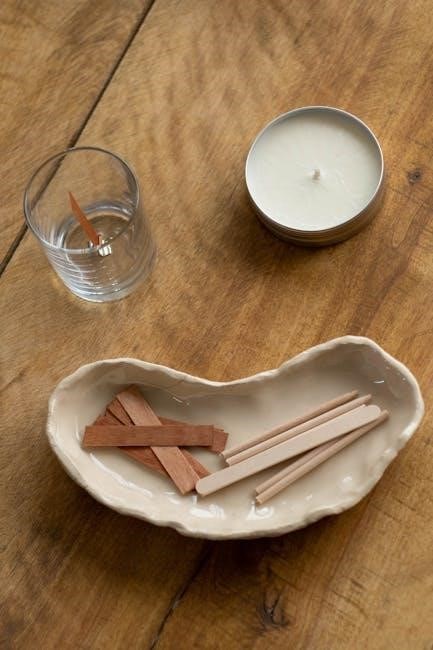
Observe for consistent melt pool formation, even burning, and minimal soot․ Note any tunneling, uneven wax consumption, or flame instability․ A quality burn delivers a full melt pool without excessive heat transfer to the vessel․
Remember, the first two burns with soy wax may exhibit minor hang-ups – a small amount of unmelted wax around the edges․ This is often acceptable, prioritizing a cooler vessel over a perfectly smooth melt pool․ Prioritize a safe, consistent burn before striving for absolute perfection․
Addressing Common Wick Issues: Mushrooming & Sooting
Mushrooming, a carbon buildup on the wick, and sooting, the release of black smoke, signal wick issues․ A mushroomed wick often indicates the wick is too large, consuming wax too quickly․ Conversely, sooting can also occur with an oversized wick due to incomplete combustion․

If you observe either, the initial response is to downsize the wick in subsequent tests․ However, consider the fragrance oil load; some oils require a larger wick to achieve a proper melt pool․ Wick down techniques – allowing the candle to burn longer on initial burns – can sometimes mitigate these issues by promoting more complete wax consumption․
Ensure proper ventilation during burning․ A consistently sooting candle, even after downsizing, may indicate a problem with the wax or fragrance oil itself․ Careful observation and iterative testing are key to resolving these common challenges․
Wick Down Technique for Improved Melt Pool
The wick down technique involves allowing a newly lit candle to burn for an extended period during its initial burn, often exceeding the typical recommended timeframe․ This encourages a deeper, more complete melt pool to form, reaching the edges of the container․ This is particularly useful when initially testing Lone Star wicks and experiencing issues with tunneling or incomplete wax melting․

The rationale is that lower wax consumption during the initial burn leaves more hot wax available for subsequent burns, providing a “boost” to melt the sides․ However, this technique isn’t universally applicable; it depends heavily on the fragrance oil used․ Some oils necessitate a larger wick regardless․
A slight “hang-up” – a small amount of unmelted wax around the edges – after the initial wick down is often acceptable, especially with soy wax, which can exhibit this behavior during the first few burns․ Prioritize a cooler vessel temperature over a perfectly even melt pool․
Dealing with Hang-Ups in Soy Wax Candles
Hang-ups, or small amounts of unmelted wax clinging to the vessel’s sides, are common with soy wax candles, particularly during the initial burns․ Don’t immediately assume a wick is too small; these can resolve themselves․ A minor hang-up is often preferable to an excessively hot container․
Consider the wick down technique – allowing a longer first burn – to encourage a full melt pool․ This can reduce hang-ups in subsequent burns by establishing a memory ring․ However, remember that some fragrance oils require a larger wick, regardless of technique․
If hang-ups persist, evaluate vessel temperature․ If the vessel isn’t becoming overly hot, a small amount of residual wax is acceptable․ Wicks that curve can also contribute to hang-ups, so consider wick centering and stability․ Prioritize safety and a controlled burn over a perfectly smooth melt pool․
Vessel Temperature as a Wick Performance Indicator
Vessel temperature is a crucial, often overlooked, indicator of wick performance․ An excessively hot vessel signals the wick is likely too large, leading to sooting and potential safety hazards․ Conversely, a cool vessel suggests the wick is undersized, resulting in tunneling and incomplete wax utilization․
Regularly monitor the vessel’s temperature during burn tests․ A comfortably warm-to-the-touch vessel is ideal․ If it’s too hot to hold for more than a few seconds, reduce wick size in subsequent tests․ Prioritize a safe and controlled burn over maximizing melt pool diameter․
Consider the vessel material; thinner glass heats up faster․ Adjust wick selection accordingly․ A slightly cooler vessel with a minor hang-up is preferable to a dangerously hot one․ Consistent temperature monitoring provides valuable insights into optimal wick sizing for each candle․
Interpreting Melt Pool Depth: Finding the Balance
Melt pool depth is a key metric, but achieving a “perfect” depth isn’t always the primary goal, especially with soy wax․ Aim for approximately ½ inch after a 4-hour burn, but slight variations are acceptable․ A deeper melt pool indicates a potentially oversized wick, increasing the risk of sooting and overheating the vessel․
Don’t obsess over a completely smooth melt pool, particularly during the initial burns․ A small “hang-up” around the edges is often acceptable, especially with soy wax, and preferable to a dangerously hot vessel․ Prioritize safety and a controlled burn․
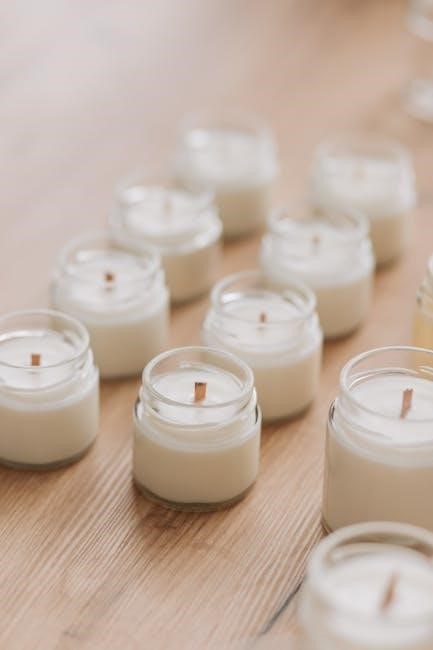
Consider fragrance oil load; some oils require larger wicks․ Focus on a balanced burn – adequate melt pool diameter, reasonable depth, and a comfortably warm vessel․ Finding the right balance ensures optimal fragrance throw and candle performance․
Resources for Lone Star Wick Selection & Testing
Lone Star Candle Supply’s website is the primary resource, offering detailed wick specifications and series information․ Their customer support team can provide guidance, though ultimately, thorough testing is crucial․ Online candle making forums and communities, like those on Reddit and Facebook, provide valuable peer-to-peer advice and shared experiences with Lone Star wicks․
Experimentation is key! Keep detailed records of your burn tests – wick size, wax type, fragrance load, vessel diameter, and observations on melt pool, sooting, and mushrooming․ This data will build your personal wick selection guide․
Remember that wick sizing is not an exact science․ Factors like fragrance oil viscosity and wax density influence performance․ Utilize available resources, but rely on your own testing to achieve optimal results for your specific candle formulations․
Leave a Reply
You must be logged in to post a comment.