husqvarna 440 chainsaw manual
Husqvarna 440 Chainsaw Manual: A Comprehensive Guide
This guide provides detailed instructions for the Husqvarna 440, covering assembly, operation, maintenance, and troubleshooting – ensuring safe and efficient use․
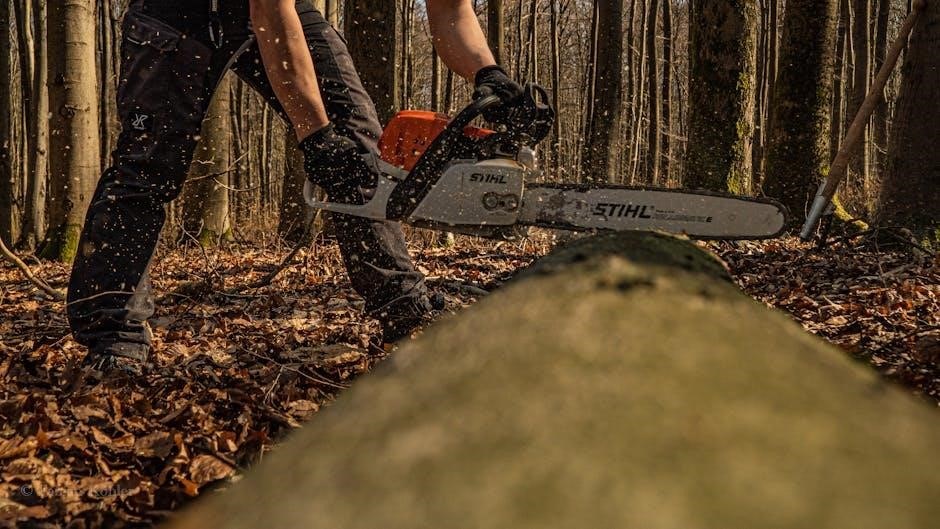
The Husqvarna 440 is a widely-used, gasoline-powered chainsaw designed for both homeowner and professional use․ Known for its reliable performance and user-friendly design, it’s a popular choice for tasks like felling, limbing, and bucking․ This manual serves as a comprehensive resource, detailing everything you need to know to safely and effectively operate and maintain your chainsaw․
Husqvarna boasts over 330 years of innovation, and the 440 embodies their commitment to usability and safety․ Whether you’re a seasoned professional or a first-time chainsaw user, understanding this manual is crucial․ It covers essential aspects, from initial setup and operation to detailed maintenance procedures, ensuring longevity and optimal performance of your Husqvarna 440․
Safety Precautions & Warnings
Chainsaw operation is inherently dangerous․ Always read and understand this manual before using the Husqvarna 440․ Wear appropriate personal protective equipment (PPE), including a helmet, eye protection, hearing protection, gloves, and chainsaw chaps․ Ensure a firm grip and secure footing at all times․
Never operate the chainsaw with one hand․ Be aware of your surroundings and potential hazards like overhead obstructions and bystanders․ Inspect the chainsaw before each use, checking for loose parts and damaged components․ Proper chain tension and sharpness are vital for safe operation․ Always disconnect the spark plug before performing any maintenance․ Refer to the manual for detailed safety instructions and warnings to prevent serious injury․
Understanding the Chainsaw Components
The Husqvarna 440 consists of several key components working in unison․ These include the engine, providing power; the guide bar, supporting the chain; and the chain itself, performing the cutting action․ The fuel tank stores the necessary fuel mixture, while the chain oil tank lubricates the chain during operation․
Familiarize yourself with the throttle control, on/off switch, chain brake, and anti-vibration system․ Understanding the function of each part is crucial for safe and effective operation․ The air filter protects the engine from debris, and the spark plug initiates combustion․ Proper maintenance of these components ensures optimal performance and longevity of your chainsaw․
Identifying Key Parts
Essential components of the Husqvarna 440 include the sprocket cover, protecting the sprocket and chain․ The chain catcher prevents the chain from flying off during operation, enhancing safety․ Locate the bar mounting studs, securing the guide bar, and the tensioning screw, used for chain adjustment․
The recoil starter initiates the engine, while the muffler reduces exhaust noise․ Identify the air filter cover, providing access for cleaning, and the spark plug cover, for spark plug maintenance․ The fuel pump delivers fuel to the carburetor, and the carburetor mixes air and fuel for combustion․ Knowing these parts aids in troubleshooting and repairs, ensuring your chainsaw remains in optimal working condition․
Chainsaw Specifications
The Husqvarna 440 boasts a 40․9 cc displacement engine, delivering reliable power for various cutting tasks․ Its output power is 2․1 kW (2․8 hp), and maximum power speed reaches 9,000 rpm․ The cylinder displacement ensures efficient performance, while the carburetor type is a Zama diaphragm carburetor․
The chainsaw’s oil pump delivers 6 ml/min at maximum engine speed․ Fuel consumption is approximately 1․2 l/h at maximum power․ It features a chain pitch of 3/8” and a recommended bar length ranging from 13” to 18”․ The weight (excluding cutting equipment) is 4․8 kg (10․6 lbs), offering a balance of power and maneuverability․ These specifications define the 440’s capabilities and performance characteristics․
Assembly & Initial Setup
Proper assembly is crucial for safe operation․ This section details unboxing, inspection, chain installation, tensioning, and fueling procedures for your Husqvarna 440․
Unboxing and Inspection
Carefully unpack your new Husqvarna 440 chainsaw and verify all components are present․ Refer to the parts list in this manual to confirm you have the chainsaw itself, the bar, chain, protective scabbard, combination wrench, screwdriver, and operator’s manual․
Thoroughly inspect the chainsaw for any signs of damage that may have occurred during shipping․ Check for cracks in the housing, a loose chain, or a damaged bar․ If any damage is found, do not operate the chainsaw and contact your Husqvarna dealer immediately․
Ensure the chain brake is functioning correctly before initial use․ Familiarize yourself with all safety features and controls before proceeding with assembly․ A pre-operation check is vital for safe and efficient operation․
Installing the Chain
Before installing the chain, ensure the bar is properly seated on the chainsaw․ Loosen the bar nuts slightly to allow for adjustments․ Place the chain around the bar, ensuring the cutting teeth face in the correct direction – towards the direction of rotation․
Align the drive links of the chain with the drive sprocket․ Carefully fit the chain onto the sprocket, ensuring it’s fully seated․ Once the chain is in place, adjust the bar nuts to achieve the correct chain tension․ Proper tension is crucial for safe and efficient cutting․
Refer to the ‘Chain Tensioning’ section for detailed instructions on achieving optimal tension․ A properly installed chain will significantly improve performance and longevity․
Chain Tensioning
Correct chain tension is vital for safe and efficient operation․ A too-loose chain can derail, while a too-tight chain causes excessive wear․ To adjust, loosen the bar nuts․ Use the tensioning screw, typically located on the chain cover, to adjust tension․
Lift the chain midway along the bar; it should lift approximately 1/8 inch from the bar․ This indicates proper tension․ Retighten the bar nuts securely after adjustment․ Always check tension before each use, as it can change during operation․
New chains will stretch initially, requiring more frequent adjustments․ Regularly inspect the chain for proper tension to prevent damage and ensure optimal cutting performance․ Incorrect tension voids warranty claims․
Chain Sharpening Basics
Maintaining a sharp chain is crucial for efficient cutting and operator safety․ Dull chains require more force, increasing kickback risk․ Use a round file of the correct size, guided by a sharpening file holder, to maintain the correct cutting angle․
Sharpen each tooth consistently, ensuring uniform length and depth․ Pay attention to the depth gauges, which control how much wood each tooth removes․ File down the depth gauges if they become too high after sharpening․
Regular sharpening extends chain life and improves performance․ Consider professional sharpening if you’re uncomfortable performing this task yourself․ A properly sharpened chain significantly reduces fatigue and enhances cutting precision․
Fueling the Chainsaw
Proper fueling is essential for optimal performance and longevity of your Husqvarna 440․ Always use a fresh fuel mix of gasoline and two-stroke engine oil, specifically formulated for air-cooled engines․ Avoid fuels containing ethanol, as it can damage the fuel system․
Carefully remove the fuel cap and use a funnel to pour the fuel mixture into the tank, avoiding spills․ Do not overfill the tank, leaving some space for expansion․ Wipe up any spilled fuel immediately․
Ensure the area is well-ventilated during fueling and keep sparks or flames away․ Always double-check the fuel cap is securely tightened before starting the chainsaw․
Recommended Fuel Mix
For the Husqvarna 440, the recommended fuel mix is a 50:1 ratio of gasoline to high-quality two-stroke engine oil․ This translates to 50 parts gasoline to 1 part oil․ Using the correct oil is crucial; it must be specifically designed for air-cooled, two-stroke engines․
Pre-mixing fuel is generally preferred, ensuring a homogenous blend․ However, some users opt for using a two-stroke oil injector system if compatible with their fuel․ Always adhere to the oil manufacturer’s instructions for proper mixing ratios․
Avoid using oils containing vegetable oils, as they can cause deposits and engine damage․ Freshly mixed fuel is best; avoid storing fuel for extended periods․
Fuel Tank Capacity
The Husqvarna 440 chainsaw features a fuel tank with a capacity of 0․5 liters (approximately 16․9 fluid ounces)․ This capacity is designed to provide a reasonable runtime for typical cutting tasks, balancing portability with operational duration․
It’s important to note that actual runtime will vary depending on several factors, including engine load, cutting conditions, and the operator’s technique․ Heavy use, such as felling larger trees, will consume fuel more rapidly․
Always check the fuel level before commencing work and refuel as needed․ Ensure the chainsaw is switched off and cooled down before refueling to prevent fire hazards․ Avoid overfilling the tank, leaving some space for expansion․
Operating Instructions
Proper operation of the Husqvarna 440 requires understanding starting procedures, safe cutting techniques, and specific methods for felling, limbing, and bucking tasks․
Starting the Chainsaw
Before attempting to start your Husqvarna 440, ensure the chain brake is engaged and the chainsaw is placed on a firm, level surface․ Verify the fuel tank is adequately filled with the correct fuel mixture and the choke is set appropriately – typically in the ‘on’ or ‘full choke’ position for a cold start․
Engage the throttle interlock and pull the starter cord with a smooth, firm motion․ Avoid pulling the cord to its maximum extent, and allow it to retract slowly․ Repeat this process several times, gradually reducing the choke setting as the engine attempts to start․ Once the engine sputters or shows signs of running, disengage the choke and continue pulling until the engine runs smoothly․
Always maintain a secure grip on the chainsaw during starting and operation, and be aware of the surrounding area․ Never start a chainsaw near flammable materials or in a poorly ventilated space․

Proper Cutting Techniques
When operating the Husqvarna 440, maintain a firm grip with both hands, keeping your body to the side of the cutting plane․ Avoid overreaching or cutting above shoulder height․ Utilize the correct cutting technique for the task – whether limbing, bucking, or felling – and always plan your escape route․
Let the chain do the work; avoid forcing the saw through the wood․ Maintain a consistent cutting speed and apply gentle pressure․ Be mindful of kickback, a sudden, dangerous reaction that can occur when the tip of the bar contacts an object․ Always keep the chain sharp and properly tensioned to minimize the risk of kickback․
Always be aware of hidden hazards like nails or wire within the wood, and exercise extreme caution when cutting near knots or branches․
Felling Small Trees
Before felling any tree with your Husqvarna 440, assess the lean, wind direction, and surrounding obstacles․ Clear the area around the tree and plan a safe escape path at a 45-degree angle from the anticipated fall line․ Utilize appropriate personal protective equipment, including a helmet, eye protection, and chaps․
Make a notch on the side of the tree in the direction you want it to fall, cutting about one-third of the tree’s diameter; Then, make a back cut slightly higher than the notch, leaving a hinge of wood to control the fall․
Be prepared to use wedges to help direct the fall if necessary, and always be aware of the tree’s movement as it begins to descend․
Limbing and Bucking
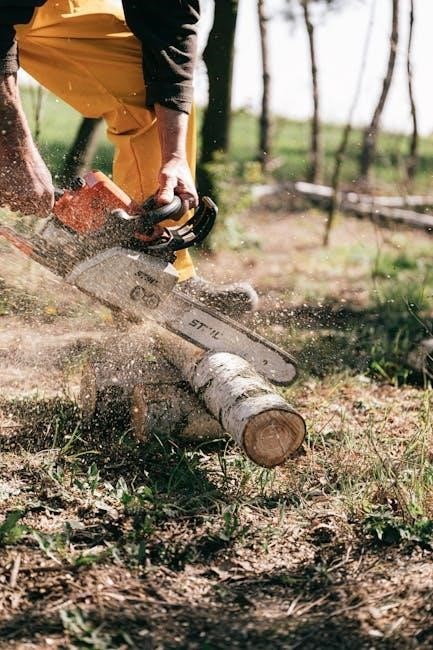
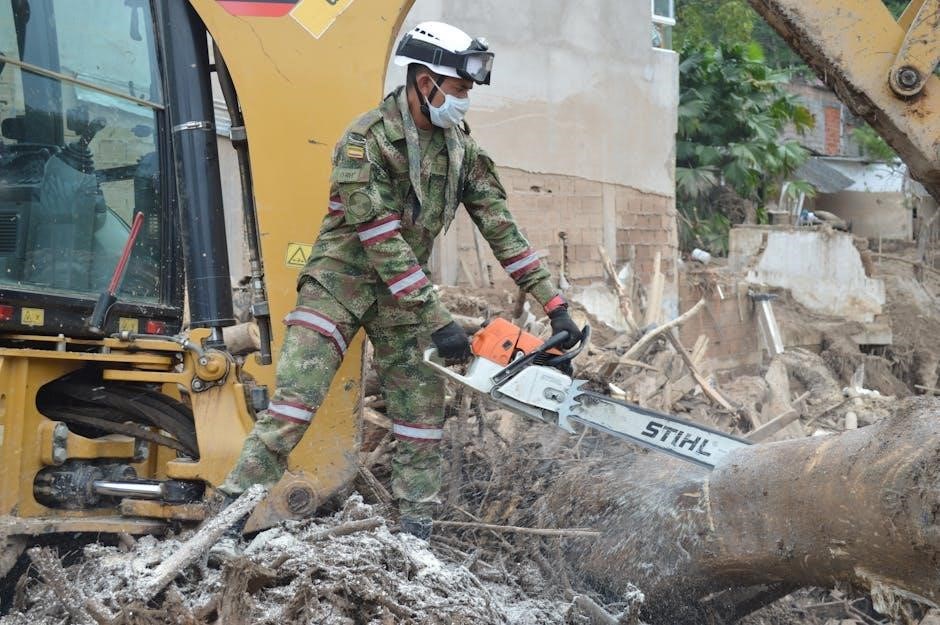
Limbing involves removing branches from a felled tree․ Always stand on the uphill side of the log and work from the base towards the top, keeping a firm grip and maintaining balance․ Be cautious of springback – branches under tension can snap back when cut․
Bucking refers to cutting the log into shorter lengths․ Support the log adequately to prevent pinching the chain․ Consider using a log support or carefully positioning the log to avoid binding․
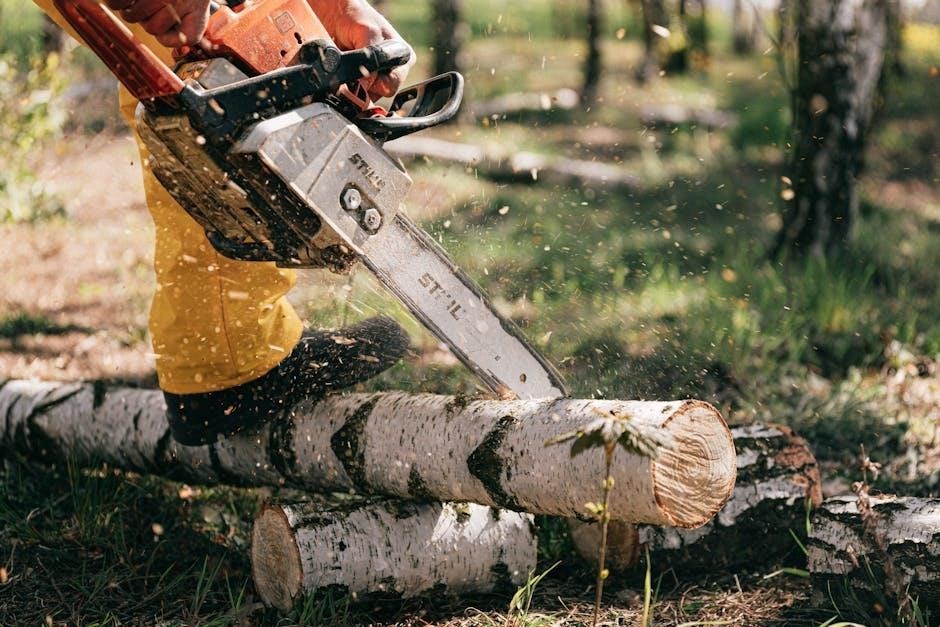
Plan your cuts to avoid excessive weight or leverage, and always be mindful of the log’s potential to roll or shift during cutting; Prioritize safety and maintain control throughout the process․
Maintenance & Troubleshooting
Regular upkeep ensures optimal performance and longevity․ This section details cleaning, replacement procedures, and solutions for common operational issues with your Husqvarna 440․
Air Filter Cleaning
Maintaining a clean air filter is crucial for the Husqvarna 440’s engine performance and longevity․ A dirty filter restricts airflow, leading to reduced power and increased fuel consumption․ Regularly inspect the air filter – ideally after every 5-10 hours of use, or more frequently in dusty conditions․
To clean the filter, carefully remove it from the chainsaw housing․ Gently tap it to dislodge loose debris․ For paper filters, use compressed air, blowing from the inside out to avoid embedding dirt․ Nylon filters can be washed with warm water and mild detergent, ensuring they are completely dry before reinstallation․ Always replace a damaged or excessively dirty filter; do not attempt to repair it․ Proper filter maintenance significantly extends the life of your chainsaw engine․
Spark Plug Replacement
Regular spark plug replacement is essential for maintaining optimal ignition and engine performance in your Husqvarna 440․ A worn or fouled spark plug can cause difficult starting, misfiring, and reduced power․ It’s recommended to replace the spark plug after approximately 100 hours of operation, or annually, whichever comes first․

To replace the spark plug, disconnect the spark plug wire and use a spark plug wrench to carefully remove the old plug․ Check the gap of the new spark plug using a feeler gauge, adjusting it to the manufacturer’s specifications (typically 0․03 inches or 0․76 mm)․ Install the new spark plug, tightening it securely but avoiding over-tightening․ Reconnect the spark plug wire, ensuring a firm connection;
Bar and Chain Maintenance
Consistent bar and chain maintenance is crucial for safe and efficient operation of your Husqvarna 440․ Regularly inspect the guide bar for wear, burrs, and straightness․ File down any burrs and ensure the bar grooves are clean to allow for proper chain lubrication․ The chain should be checked for sharpness and damage; dull chains require more force and increase the risk of kickback․
Sharpen the chain frequently using a round file and guide, maintaining the correct depth gauges․ Proper chain tension is also vital – a loose chain can derail, while a tight chain causes excessive wear․ Always lubricate the chain during use with recommended bar and chain oil․
Chain Oil Levels
Maintaining adequate chain oil levels is paramount for smooth chainsaw operation and prolonged bar and chain life․ Regularly check the oil level in the reservoir before each use and after every 20-30 minutes of cutting․ The Husqvarna 440’s oiler system automatically lubricates the chain, but relies on sufficient oil supply․
Insufficient oil leads to increased friction, heat buildup, and rapid wear of both the bar and chain․ Use only high-quality bar and chain oil specifically designed for chainsaws; avoid using waste oil․ Fill the reservoir to the appropriate level, avoiding overfilling․ Observe the oil consumption – excessive use may indicate a leak or an issue with the oiler system․
Troubleshooting Common Issues
Encountering problems with your Husqvarna 440 is common, but many are easily resolved․ A frequent issue is a chainsaw that won’t start; check fuel levels, spark plug condition, and ensure the choke is properly engaged․ If the chain stops during cutting, inspect for obstructions, proper chain tension, and adequate chain oil․
Difficulty starting can also stem from a flooded engine – release the choke and pull the starter cord repeatedly․ Always disconnect the spark plug wire before performing any maintenance․ If problems persist, consult a qualified Husqvarna dealer․ Remember safety first – never attempt repairs you are uncomfortable with․
Chainsaw Won’t Start
If your Husqvarna 440 fails to start, begin with the basics․ Verify sufficient fuel in the tank and ensure the fuel is fresh․ Check the spark plug – it should be clean and properly gapped․ A fouled or damaged spark plug will prevent ignition․ Confirm the choke is engaged for cold starts, and disengaged for warm restarts․
Also, inspect the air filter for obstructions, as a clogged filter restricts airflow․ Ensure the kill switch is in the ‘run’ position․ If still unsuccessful, a flooded engine might be the culprit; release the choke and pull the starter repeatedly․ If issues continue, professional assistance is recommended․
Chain Stops During Cutting
When the chain halts mid-cut, several factors could be at play․ Insufficient chain lubrication is a common cause; verify adequate chain oil levels and ensure the oiler is functioning correctly․ A dull chain requires sharpening, as it lacks the necessary cutting edge․ Check for obstructions like pinched wood or embedded debris, which can bind the chain․
Additionally, examine the chain tension․ A loose chain can derail or stall․ Confirm the clutch is engaging properly; a worn clutch may slip under load․ If the problem persists, inspect the sprocket for wear․ A damaged sprocket can cause chain issues․ Professional diagnosis is advised for complex cases․
Husqvarna Dealer & Support Information
Locate authorized dealers for parts and service, or access online manuals, FAQs, and support resources directly from Husqvarna’s official website․
Finding Authorized Dealers
Locating a qualified Husqvarna dealer is crucial for genuine parts, expert service, and warranty support for your 440 chainsaw․ Husqvarna maintains a network of authorized dealers, categorized for your convenience․ Independent dealers offer sales and parts, while servicing locations specialize in repair and warranty work․
For a comprehensive brand experience, seek out Crown dealers, providing sales, parts, and service for the entire Husqvarna range․ Specifically for robotic lawn mowers, Automower locations offer dedicated sales, parts, and service․
To find the nearest dealer, utilize the dealer locator tool on the official Husqvarna website (www․husqvarna․com)․ This tool allows you to search by zip code or location, ensuring you connect with a trusted professional for all your Husqvarna needs․
Warranty Information
Husqvarna stands behind the quality of its products, including the 440 chainsaw, with a comprehensive warranty program․ The standard warranty typically covers defects in materials and workmanship for a specified period from the original purchase date․
Warranty duration varies depending on the product’s intended use – consumer or commercial․ It’s essential to register your chainsaw promptly after purchase to activate the warranty coverage․ Keep your original purchase receipt as proof of date and location․
The warranty does not cover items damaged through misuse, abuse, improper maintenance, or unauthorized modifications․ For detailed warranty terms and conditions, consult the official Husqvarna warranty statement available online or from your authorized dealer․
Online Manuals & Support Resources
Husqvarna provides extensive online resources to support 440 chainsaw owners․ The official Husqvarna website (www․husqvarna․com) hosts a comprehensive library of digital manuals, including operator’s guides, parts lists, and safety instructions, available for free download in multiple languages․
Beyond manuals, the website features a robust support section with FAQs, troubleshooting guides, and informative videos demonstrating proper chainsaw operation and maintenance․ You can also locate authorized dealers and servicing locations nearby․
Interactive tools, such as parts diagrams, help identify specific components for repair or replacement․ Husqvarna’s online support aims to empower users with the knowledge and resources needed to maximize their chainsaw’s performance and longevity․
Leave a Reply
You must be logged in to post a comment.